


Concussion Care
If symptoms are severe or complications develop after diagnosis, call 911 or go to the nearest emergency room immediately.
What is a Concussion?
A concussion is a brain injury that disrupts normal brain function, often caused by a fall or a hit to the head. Athletes face a higher risk due to the physical nature of sports. Continuing to play or practice with a concussion can lead to more serious injury, so anyone showing signs of a concussion should be evaluated by a trained medical professional as soon as possible.
What are the Symptoms of a Concussion?
- Headache
- Dizziness, sluggishness, or fogginess
- Sensitivity to light or noise
- Double or blurry vision
- Vomiting or nausea
- Trouble focusing or remembering
- Depression or feeling "down"
- Confusion
- Trouble sleeping
Noticing these symptoms right now? If a concussion is suspected, don't wait — get evaluated as soon as possible. For symptoms outside our regular clinic hours, please see an emergency room or McFarland Urgent Care.
Find Urgent CareFrequently Asked Questions
How long do concussion symptoms last?
Most concussion symptoms improve within one to three weeks, and many people feel back to normal within seven to ten days. Some athletes, especially those with a history of prior concussions, migraines, or certain other conditions, take longer to fully recover. If symptoms last more than a few weeks, it's worth being evaluated to rule out post-concussion syndrome or another underlying issue.
How long after hitting your head can concussion symptoms start?
Symptoms often show up right away, but they can also take several hours — or even a day or two — to fully develop. This is one reason athletes should be monitored closely after any hit to the head, even if they seem fine immediately afterward, and re-evaluated if new symptoms appear later.
Can you sleep with a concussion?
Yes. The old advice to keep someone awake after a concussion is outdated — rest, including sleep, is now considered an important part of recovery. The key is making sure a medical professional has evaluated the injury first and ruled out more serious complications like a skull fracture or bleeding. Once cleared, it's safe to let the person sleep normally, though caregivers should still watch for worsening symptoms in the first day or two.
Can you get a concussion without hitting your head?
Yes. A concussion happens when the brain moves or twists rapidly inside the skull, which can occur from a hard hit to the body that jars the head — even without direct contact. This is common in sports involving sudden stops, collisions, or whiplash-type movements.
How many concussions is too many?
There's no set number that applies to everyone. Each concussion carries some risk of longer recovery and, in repeated cases, potential long-term effects on brain health. Athletes with multiple concussions — or concussions that keep taking longer to resolve — should talk with a provider about whether continuing to play is safe for them individually.
Baseline Testing & the C3Logix System
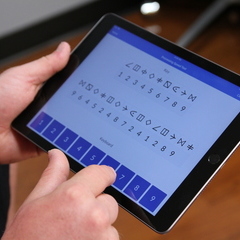
McFarland Sports Medicine uses the C3Logix System, developed by researchers at Cleveland Clinic, to track concussion care from baseline testing through post-injury screening and return to play. Baseline testing measures an athlete's normal brain activity before the season starts, so that if a concussion happens, providers have a personal benchmark to compare against rather than relying only on general age-based norms.
Baseline testing is recommended every two years and is available for $10 cash (groups can contact us for reduced group rates). Athletes without a baseline test on file will be evaluated against age-based norms instead.
Call 515-239-3410 to schedule a baseline screening.
How Do You Test for a Concussion?
Once a concussion is suspected, our sports medicine team in Ames evaluates athletes from across Central Iowa using a battery of internationally recognized assessments, including:
- Standardized Concussion Assessment Tool (SCAT)
- Reaction time testing
- Visual motor processing
- Balance Error Scoring System (BESS)
- Vestibular-objective testing
When an athlete has a baseline test on file through our C3Logix System, we compare these results directly against their personal baseline for a more accurate picture of recovery. Local schools and club teams throughout the area can also coordinate with our team for sideline evaluations and return-to-play clearance.
Ready to Get Started?
Request a concussion appointment or baseline test using our form. We recommend scheduling no sooner than three days post-injury, but reach out as soon as possible to secure the earliest available appointment. Submissions are answered during regular business hours, Monday through Friday.
McFarland Sports Medicine sees concussed athletes ages 10 to 25. If you or someone you know needs care and are outside of this age range, visit McFarland Clinic's Need Care Now page for other options.
If someone has sustained a concussion and is experiencing severe symptoms, call 911 or go to the nearest emergency room immediately.


